Packaging as a Digital Communications Channel
Historically, product packaging served only two functions: protecting physical goods during shipment and displaying brand graphics on retail shelves. Today, retail packaging is transforming into a dynamic, two-way digital communication channel.
By embedding secure, serialized QR codes onto retail packaging, brands are fighting counterfeits, optimizing logistics networks, and delivering rich transparency profiles straight to conscious consumers.
Let's explore how smart packaging operates and how industries use it to protect their brand ecosystem.
The Three Functions of Smart Packaging
Smart packaging solves three critical challenges across manufacturing, shipping, and retail sales:
1. Anti-Counterfeiting and Product Authenticity
Counterfeiting is a multi-billion dollar threat for luxury goods, cosmetics, and pharmaceuticals. Brands can print a unique, serialized dynamic QR code on each individual product box. When scanned, the consumer sees a verified validation screen confirming the item's authenticity, serial number, and origin.
If an attacker attempts to duplicate the QR code onto cloned packaging, our system detects "geographically impossible scans" (e.g., the same serial code scanned in Paris and New York within minutes) and flags the duplication.
2. Supply Chain Traceability and Operations
Logistics teams use packaging codes to log product movement:
- At the warehouse: Staff scan package codes to record production dates and batch IDs.
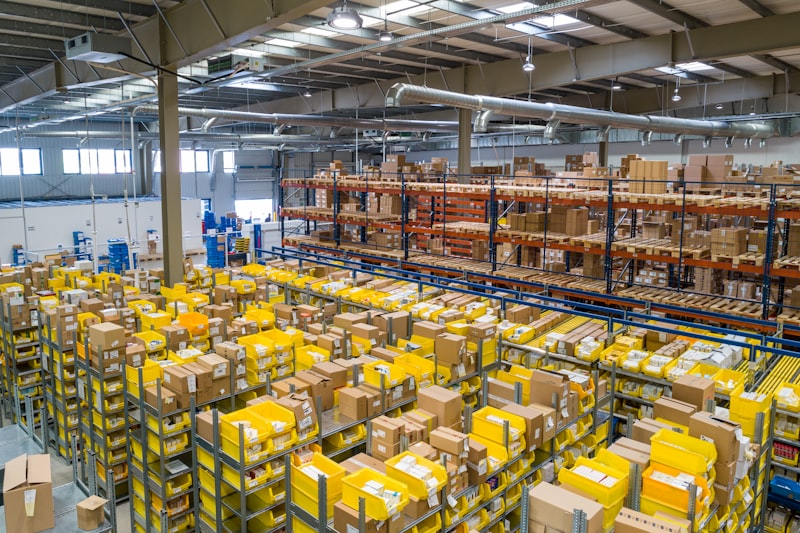
- In transit: Freight carriers scan codes at customs checkpoints to verify shipping manifests.
- In retail backrooms: Staff scan codes to update local inventory records, ensuring perfect supply chain transparency.
3. Post-Purchase Consumer Trust
Modern shoppers demand sustainability and transparency. A quick scan on product packaging can reveal:
- Origin Maps: Showing where organic coffee beans or fair-trade cotton was grown.
- Recycling Guides: Specifying whether the plastic wrapper, cardboard box, or glass vial is recyclable under municipal systems.
- Ingredient analysis: Detailed certifications, clean reports, or lab testing details.
Dynamic vs. Static Packaging QR Codes
| Requirement | Static Packaging QR | Dynamic Serialized QR |
|---|---|---|
| :--- | :--- | :--- |
| Purpose | One-size-fits-all link (e.g., website home page) | Individual item identification and batch mapping |
| Flexibility | Cannot change link if URL breaks | Update destinations dynamically after distribution |
| Traceability | None | Real-time tracking of batches and locations |
| Security Shield | Susceptible to fraud overlays | Anti-counterfeiting triggers and anomaly logs |
Conclusion: Future-Proofing Retail Media
As consumer standards and digital guidelines evolve, packaging must adapt. Serialized, secure QR codes bridge the physical product with corporate logs, providing verification, ease of navigation, and operational safety.
*Design secure, trackable QR packaging elements. Learn more in our [QR Studio Security Portal](/).*